
Category: Uncategorized

Investment Metrics: Cap Rate, IRR, and ROI

When evaluating investment opportunities—especially in real estate or longer-term projects—knowing how to interpret key metrics is critical. Cap rate, IRR, and ROI each give you a different lens through which to view a deal’s attractiveness and risks. Below is a breakdown to help demystify these terms and show how to use them together.

Cap Rate (Capitalization Rate)

What it is:
The cap rate is a snapshot metric. It represents the expected annual return on a property (before financing) based on its net income and current market value. In formula form:

Cap Rate = Net Operating Income (NOI) ÷ Property Value

Here, NOI is the annual income from the asset after subtracting operating expenses (maintenance, taxes, management, insurance, etc.), but before accounting for debt service or tax impacts.

Why it matters:

  • It gives a quick, apples-to-apples comparison of earnings potential across properties in different markets or asset classes.
  • A higher cap rate usually implies higher risk (or undervaluation), while a lower cap rate suggests greater stability or premium pricing. 
  • Because the cap rate ignores financing, it’s a useful “unleveraged” benchmark. 

Cap rate is limited in that it only reflects first-year performance and does not account for future growth, potential changes in income, or expected resale value. Additionally, it ignores factors such as debt, capital expenditures, and the timing of cash flows, providing only a snapshot of the property’s immediate yield rather than a full picture of long-term performance.

IRR (Internal Rate of Return)

What it is:
IRR is a more holistic, time-adjusted metric. It solves for the discount rate at which the net present value (NPV) of all cash flows—both inflows and outflows over the life of an investment—is zero. In practical terms, it’s the compound annual return that an investor would earn, given projected cash flows and eventual sale value.

Why it matters:

  • IRR incorporates when cash flows occur, not just the totals. So early returns are more valuable than late ones.
  • It accounts for resale or terminal value, making it useful for comparing multi-year investments.
    It can be computed with leverage or without, enabling comparisons of financed vs. all-cash structures.

The IRR metric comes with a few important limitations. It assumes that interim cash flows can be reinvested at the same IRR, which is often unrealistic—a concept known as the “reinvestment assumption.” IRR is also highly sensitive to the assumptions built into projections, such as growth rates, terminal value, and the timing of an eventual exit. Additionally, it can be difficult to compare projects of varying durations or those with irregular cash flows, since the timing and pattern of returns may distort the results.

ROI (Return on Investment)

What it is:
ROI is the simplest and most general measure. It tracks how much you gained (or lost) relative to the cost of the investment, typically expressed as a percentage:

ROI = (Gain from Investment – Cost of Investment) ÷ Cost of Investment 

Alternatively, for more precise tracking:

ROI = (Final Value – Initial Value) ÷ Initial Value 

Because it usually measures one overall period, ROI doesn’t inherently account for the timing or compounding of returns.

Why it’s useful:

  • Straightforward and easy to communicate—especially for short-term or single-period investments.
  • Useful as a benchmark metric for quick comparisons across asset types.

ROI has its limitations as well. Most notably, it does not account for the time value of money—a 50% return over one year is very different from the same return over five years, yet raw ROI treats them equally. It can also obscure important factors such as risk, capital structure, and variations in interim cash flows. Furthermore, ROI does not take financing, inflation, or opportunity costs into consideration, which can lead to an incomplete picture of an investment’s true performance.

How These Metrics Work Together

To get the fullest picture, savvy investors don’t rely on just one metric. Here’s how they interplay:

  • Cap Rate gives you a baseline “snapshot” of property yield at a given moment, ignoring financing or growth assumptions.
  • IRR adds the dimension of time, growth, exit strategies, and cash flow variability.
  • ROI gives the raw return over a given period in a simpler form, useful for quick comparisons or high-level analysis.

In practical terms, when evaluating a potential investment, you might start by using the cap rate to quickly filter properties based on their income yield. From there, running a pro forma cash flow model can help project revenues, expenses, and anticipated exit values, providing a clearer picture of the property’s financial performance over time. Next, calculating the IRR allows you to assess whether the long-term return meets your target or hurdle rate. Finally, computing ROI can serve as a quick sanity check or internal benchmark, giving a straightforward view of the overall return relative to the investment cost.

Cap rates, IRR, and ROI each serve as useful lenses on an investment—but none are perfect alone. The most disciplined investors will use them in concert, cross-checking results and stress-testing assumptions. If you’d like help building a cash flow model or running scenario analysis using these metrics, Atlas can assist. We can tailor projections, stress-test assumptions, and help you compare deals side by side—so you can make informed decisions with confidence.

Data Centers in Georgia: A Digital Infrastructure Boom

Over the past decade, Georgia has become a significant hub for data center development in the
United States. This has been driven by the increasing demand for digital infrastructure to
support cloud computing, artificial intelligence (AI), and other data-intensive technologies. As of
2025, Georgia hosts approximately 150 data centers, making it one of the fastest-growing data
center markets in the country.


What Are Data Centers?

Data centers are facilities that house computer systems and associated components, such as
telecommunications and storage systems. They are essential for storing, managing, and
processing vast amounts of data generated by businesses and consumers alike. These centers
support a wide range of services, from cloud storage and web hosting to AI processing and
streaming services.


Meta’s Investment in Newton County

One of the most notable developments is Meta’s (formerly Facebook) data center in Newton
County. Stanton Springs Data Center is a $1 billion investment, located approximately 45 miles
east of Atlanta. Original projections showed Phase I including a 970,000 square foot building on
a 188 acre campus, with Phase II including an additional 1,500,000 square feet on 285
additional acres. The center is powered by 100% renewable energy and utilizes outdoor air for
cooling, reflecting Meta’s commitment to sustainability.


Projects Coming Soon

Additional data center developments are in various stages of planning and construction across
the state as companies like Microsoft, Amazon, and others are investing billions in areas like
Douglas, Bartow, Rockdale, Butts, and Hall County. Georgia is a very desirable location for data
center development due to the amount of available land, strong fiber optic infrastructure,
significant tax incentives and a reliable, low-cost power supply.


Economic and Environmental Impact on Georgia

The proliferation of data centers in Georgia has had a profound impact on the local economy.
These facilities require significant investments, often exceeding $1 billion per center, and lead to
job creation during construction and ongoing operations. Additionally, data centers contribute to
increased tax revenues and stimulate demand for support services, such as security,
maintenance, and logistics.

Not all impacts from data centers are positive though. Nearby residents are concerned about
the environmental impacts of such large scale developments. The significant energy
consumption often relies on fossil fuels and drives greenhouse gas emissions. The extensive
use of water used for cooling can strain local systems. The large footprint of the centers can
cause stormwater runoff issues and disrupt habitation. While the positive economic impacts are
clear, the potential downside must be taken into account.


Looking Ahead

The digital landscape in Georgia is evolving, creating significant opportunities for investors,
developers, and businesses, as well as a dynamic environment for those involved in commercial
real estate.

For investors seeking strategic insights or guidance in navigating Georgia’s commercial property
market—including properties supporting data center development—Atlas Real Estate Advisors
offers expert advisory and brokerage services to help you capitalize on these opportunities.

How Banks Underwrite Commercial Real Estate Loans

As we step into 2025, the commercial real estate (CRE) lending landscape is evolving—marked by stabilized interest rates and a resurgence in financing activity. But behind every loan decision lies a rigorous underwriting process that determines whether a deal goes through.

Underwriting: A Three-Dimensional Analysis

When a bank underwrites a CRE loan, it’s evaluating three core pillars:

  • Borrower Creditworthiness – including personal and business credit histories, net worth, liquidity, and performance track record.
  • Property Viability – encompassing income potential, market demand, location dynamics, and collateral value.
  • Market Risk & Financial Metrics – Together, DSCR, LTV, and debt yield give lenders a multidimensional view of loan risk:

How?

The DSCR (debt service coverage ratio) determines whether or not the property can generate sufficient income to service debt. The LTV (loan to value) will indicates how much equity the borrower has at stake by calculating the loan amount divided by property value. The debt yield will calculate the property’s income compared to the loan amount and provide the bank a safeguard against market volatility, independent of interest rates.

Lenders use these metrics to balance market risk and financial risk, ensuring they make informed lending decisions even in uncertain economic conditions.

What Makes a Strong Candidate in 2025?

In today’s commercial real estate lending environment, borrowers who demonstrate financial stability and operational experience are more likely to secure favorable loan terms. Key factors that make a borrower a strong candidate include:

Solid Credit Profile: A high credit score and low personal debt-to-income ratio signals reliability to lenders. While some alternative or non-bank lenders may consider lower credit scores, borrowers should expect higher interest rates, increased fees, or tighter loan terms if credit falls below traditional thresholds.

Substantial Equity or Liquidity: Lenders favor borrowers who bring meaningful capital to the table. The amount varies depending on the type of investment, but lenders want to be assured that borrowers have reserves to weather market volatility or unexpected expenses.

Strong Cash Flow Metrics: A Debt Service Coverage Ratio (DSCR) over 1.0 indicates that the property generates sufficient net operating income to cover the debt obligations. Lenders often want to see 1.25 or more to be comfortable, depending on the borrower and asset. Properties with strong, stable cash flow reduce lender risk and increase the likelihood of approval.

Relevant Experience: Banks and institutional lenders value prior operational experience, management expertise, or a history of successful property ownership. This is particularly critical for larger loans, specialized asset types (like industrial or mixed-use), or complex financing structures.

Financial Documentation and Preparedness: Delivering an organized, transparent financial dossier is essential. Borrowers should be prepared to provide:

  • Tax returns
  • Financial statements
  • Copy of purchase contract
  • Appraisal reports
  • Rent rolls or lease schedules
  • Environmental site assessments
  • Surveys or engineering reports
  • Operating history documentation
  • Proof of cash reserves
  • Business plan or investment strategy

Emerging Market Dynamics in 2025

Several factors are reshaping commercial real estate lending this year, creating both opportunities and challenges for borrowers:

Refinancing Surge: Nearly $1 trillion in commercial mortgages mature in 2025, driving strong refinancing demand. While this opens opportunities for well-prepared borrowers to secure favorable terms, it also creates stress for those with weaker financials or properties that need repositioning.
Regulatory Tightening: Some lenders are increasing due diligence for income validation, occupancy verification, and fraud prevention. Borrowers with clean, verifiable financials and responsive documentation are more likely to navigate approvals efficiently.
Property Type Considerations: Lenders continue to favor properties with stable cash flow and strong fundamentals, including multi-family, well-located industrial, and Tier-A office assets, while older or distressed office stock faces tighter scrutiny.

While traditional banks tighten credit, smaller regional or community banks can often fill the gap by offering more personalized and flexible lending solutions.  Smaller/local institutions will often take a creative approach to structuring loans by tailoring terms to accommodate unique assets, specialized uses, or complex financing scenarios that larger lenders may avoid. John Loftis, Senior VP and commercial lending executive at First American Bank and Trust in Athens, says, “We don’t try to fit our clients into any particular box, but more so build the box around them individually.”

By understanding the rigorous underwriting process and presenting organized documentation alongside strong cash-flow properties, you can position yourself as the preferred candidate in any lender’s pipeline. At Atlas Real Estate Advisors, our team leverages extensive experience to guide borrowers and investors through complex financing scenarios, helping secure optimal terms and navigate evolving market conditions with confidence.


Opportunity Zones: Navigating the “One Big Beautiful Bill Act”

On July 4, 2025, President Trump signed the “One Big Beautiful Bill Act” (OBBBA), which makes the Opportunity Zone (OZ) tax incentives permanent and introduces a suite of strategic updates. Originally part of the Tax Cuts and Jobs Act of 2017, the OZ framework—which channels capital gains into investments in low-income communities—has now been institutionalized, opening a new era for investors and developers alike. This bill updates, improves, and revitalizes the Opportunity Zone program to ensure it truly benefits low-income communities while remaining attractive to investors.

Key Changes in a Nutshell

Permanent Program, Revised Timeline
The OZ program, once set to expire in 2026, has now been made permanent. Beginning in 2027, a streamlined deferral and exclusion timetable kicks in: a five-year window to defer gains, a 10-year holding period for final tax exclusion, and a frozen step-up in basis at 30 years 

Better Incentives in Rural Areas
The OBBBA introduces “Qualified Rural Opportunity Funds.” These investments offer a 30% step-up in cost basis after five years and reduce property improvement requirements from 100% to 50% in rural zones 

Redesignation of Zones
Starting July 1, 2026, OZ designations will be refreshed periodically to ensure compliance with evolving socioeconomic conditions. Eligibility criteria are stricter: 70% of area or state median income (down from 80%), a minimum 20% poverty rate, and the removal of contiguous tract exceptions

Enhanced Reporting & Enforcement
The OBBBA brings in layered reporting mandates.. Funds now must file timely elections, even in the absence of income—failure to do so could trigger expensive corrective processes.

Overall Tax Benefit Curve
The removal of a 2047 sunset means a permanent 30-year window for gain exclusion. Any investment held beyond that receives a step-up in basis and continued tax exclusion


What This Means for Investors

  • Long-term clarity, short-term urgency: The program’s permanence allows for extended planning, but investors should consider capitalizing on current rules before year-end 2026 to benefit from the existing, richer timeline.
  • Rural investments = better returns: The enhanced terms for rural OZ funds create compelling upside for developers in farming, energy, and small-town revitalization.
  • Compliance is more crucial than ever: The expanded reporting requirements mean that missteps can be costly. Accurate fund administration is now essential.


Atlas Can Help You Form a Strategy

Timing Considerations

  • 2025–2026: Deploy capital before year-end to lock in the 5-, 7-, and 10-year benefits of the original rules.
  • 2027 onward: Shift to long-term plays under the new framework, especially via rural OZ funds.


Rural OZ Research
Deploy deep-market research into qualifying rural tracts, especially for sectors like housing, energy, agribusiness, and rural healthcare. The lower improvement thresholds and richer tax advantages make these corridors particularly attractive.

Compliance & Reporting 

Given heightened IRS scrutiny and new forms, partner with compliance experts—to manage filings, audits, and fund oversight.

Zone Requalification
Track census data and maintain adaptability. Pivot options or secondary-site eligibility assessments could protect investment value in case of decertification.

Final Take

The OBBBA cements Opportunity Zones as a permanent, tax-smart vehicle for forward-thinking real estate investment. With richer incentives—especially in rural tracts—paired with enhanced oversight, the landscape is both promising and demanding.   Atlas Real Estate Advisors is positioned to guide investors and developers through this new environment—combining timing acumen, rural expertise, compliance rigor, and strategic flexibility to maximize OZ potential across evolving communities.


*This blog post is for informational purposes only and does not constitute legal, tax, or investment advice. Investors should consult with a qualified tax advisor, accountant, or legal professional before making any investment decisions or taking action based on the information provided.

Commercial Market Momentum in Georgia

Midway through 2025, the Georgia commercial real estate market is gaining traction—and investors in markets like Athens and Northeast Georgia are in a strong position to capitalize on this momentum. 

According to the June 2025 Capital Markets Compass by Colliers, transaction activity is rising again. Industrial sales volume is up 6% year-over-year, while retail activity climbed 20%. Pair this with improved financing conditions—10-year Treasury yields around 4.4% and fixed rates below 7%—and investor confidence is clearly returning.

Industrial in Georgia: On the Rise

Georgia continues to be a magnet for industrial investment, with Atlanta named a top-performing logistics market. But that growth is expanding outward. Here in Athens and surrounding regions, we’re seeing increasing demand for smaller-scale warehouse, manufacturing, and flex properties—especially those within reach of I-20, I-85, and regional economic hubs.

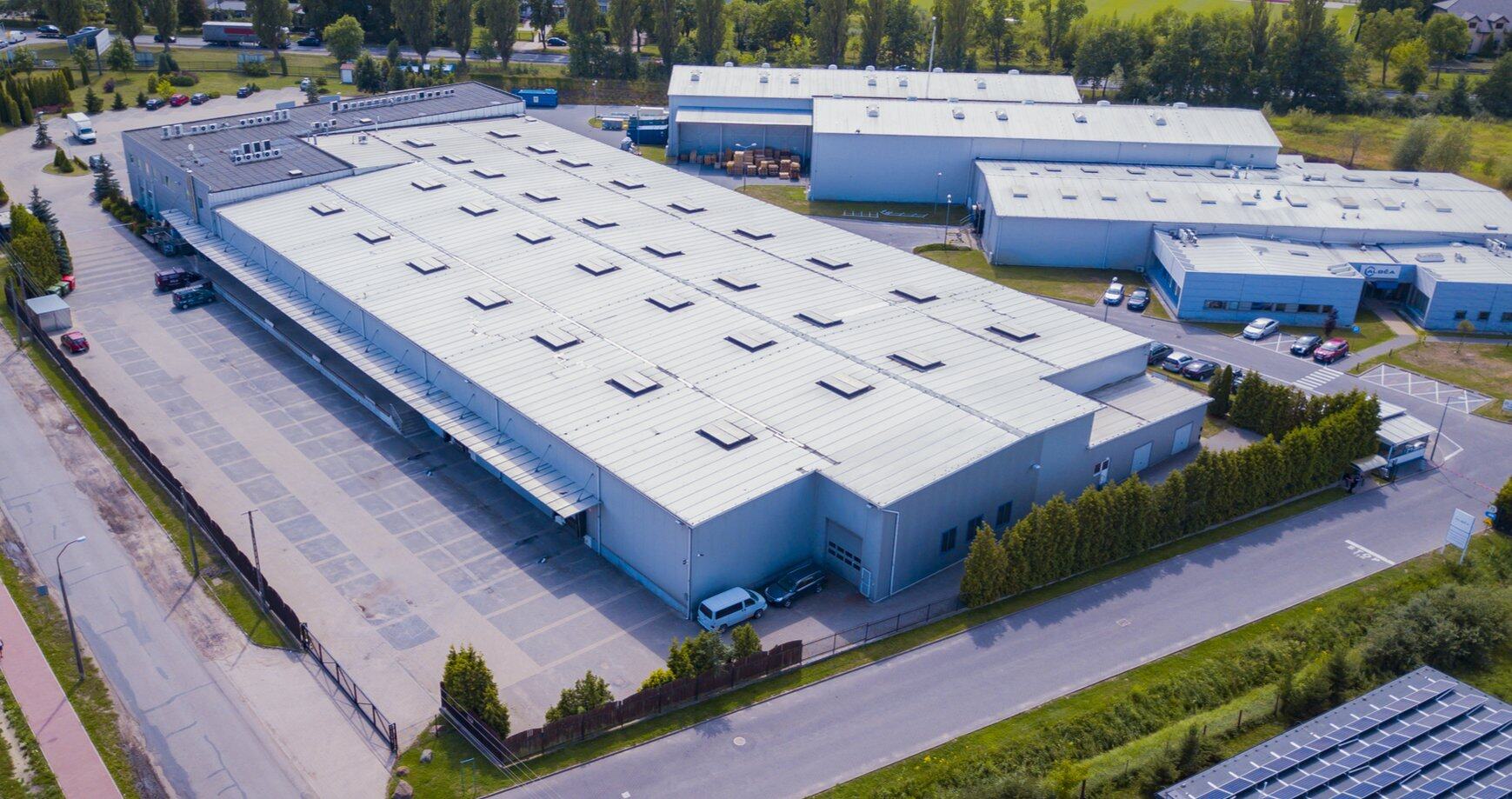
Atlas has been actively involved in this shift. One example is our acquisition and repositioning of 4304 Sudan Dr. in Augusta, a 75,000 SF industrial facility that had been underutilized. We stabilized the asset, implemented professional management practices, and quickly filled it with high quality tenants. 

Retail & Multifamily: Holding Steady

Retail and multifamily are also gaining ground. CMBS default rates in retail have dropped nearly 20%, and well-located centers—especially in university and suburban markets—are seeing stronger leasing activity. Multifamily continues to lead all sectors globally in capital investment, reflecting long-term demand and confidence in the housing sector.

What This Means for Investors

If you’re active—or plan to be—in  commercial real estate, now is a smart time to reevaluate opportunities. At Atlas, we’re working with:

  • Users searching for affordable industrial or retail space with strategic access for their business
  • Investors acquiring or repositioning cash-flowing and appreciating assets across the Southeast
  • Developers preparing to bring adaptive reuse or new construction projects to market

In Closing

With Georgia’s market strengthening across key sectors and investor sentiment improving, the window to buy, reposition, or lease strategically is open. Atlas is helping clients uncover value and move forward with confidence. Let’s talk about what’s next for your portfolio.


Look for Opportunities in Retail

Steady demand, combined with limited new supply, is contributing to the upward trend in retail real estate.

New construction projects are being delayed due to higher interest rates and rising material costs, and many have been put on hold altogether.  The limited new supply has created steady demand for second- and third-generation retail space for lease in high-visibility, high-traffic locations. Reports indicate that the average time to lease has steadily decreased and that vacancy rates across the U.S. are at or near a 20-year low. As a result of the increased competition for existing spaces, there is upward pressure on asking rents.

Notable trends:

  • Tenant demand has remained positive, as reflected in net absorption.
  • Asking rents rose approximately 2.5% year-over-year.
  • New construction volume remains well below historical averages, fueling competition for quality space.

Landlords with expiring leases should re-evaluate rates before marketing their spaces to ensure they have adjusted accordingly and are not missing out on potential income.

Store Closures: An Adjustment, Not a Downturn

Although the retail market remains fundamentally strong, we have seen several national and regional retailers close their doors in recent months. These closures are not always a sign of market weakness. In this case, they are frequently the result of shifting strategies. Today’s retailers are factoring in their e-commerce operations and seeking opportunities to reduce their physical footprint—and overhead costs.

With advance planning, landlords of these spaces can capitalize on an opportunity to reposition and improve the property. Average store sizes for new leases are down by over 15% compared to five years ago, and reconfiguring larger spaces into smaller units suited for multi-tenant use and repositioning the property can:

  • Attract vibrant new tenants, including service-based and experiential retailers
  • Adapt spaces for smaller, more flexible tenant footprints
  • Strengthen the overall tenant mix to boost property performance

With the right approach, one vacancy can transform into multiple productive, income-generating spaces.

Actionable Steps for Investors and Owners

To thrive in today’s market, Atlas recommends that commercial property owners:

  • Regularly assess portfolio performance through detailed commercial real estate analysis to identify repositioning opportunities and maximize returns.
  • Prioritize tenant retention through proactive lease management
  • Consider redeveloping or repurposing underperforming spaces
  • Engage knowledgeable partners to provide commercial real estate services, from leasing and management to investment strategy and repositioning

Today’s retail market offers real opportunities for those ready to act strategically. Reach out to Atlas Real Estate Advisors to learn how we can help you meet your commercial real estate goals.

How Tariffs Impact Commercial Real Estate

Ongoing trade disputes have dominated headlines in recent months, potentially reshaping key industries such as steel, lumber, and manufactured goods. While much of the discussion focuses on business costs and consumer pricing, the impact extends far beyond those sectors. 

Developers Should Anticipate Higher Costs and Delays 

Tariffs on essential building materials like steel, aluminum, and lumber are driving up development costs. As a result, new construction projects may face delays or become less financially viable. Developers should explore alternative material sources and negotiate supplier contracts now to offset price increases in the coming months. Anticipate delays and extend project timelines now to avoid missing deadlines and risking potential penalties.

Existing Property Owners Should Re-evaluate

For those who already own commercial properties, rising construction costs could work in their favor. With new developments becoming more expensive, existing buildings may see increased demand, helping stabilize or even boost occupancy rates—particularly in secondary markets. Current property owners should take a strategic approach to tenant negotiations:

  • Evaluate Tenant Improvement Requests – Carefully assess the return on investment before committing to costly build-outs.
  • Review Current Lease Rates – Rising replacement costs and higher demand may justify increasing lease rates in your market.
  • Switch to NNN Leases-Implementing NNN (triple net) leases allows property owners to recover escalating expenses such as taxes, insurance, repairs, and maintenance.
  • Optimize Space Utilization – Maximizing a property’s highest and best use will be crucial. In some cases, dividing larger spaces into smaller, more flexible units could attract a wider pool of tenants.

Opportunities for Investors

As development costs rise in major cities, investors should consider expanding their focus to secondary and tertiary markets, where assets may offer better returns and lower barriers to entry. Additionally, exploring asset types that are more resilient to economic fluctuations—such as industrial properties and essential retail—can balance out a portfolio in uncertain conditions.

Investors may want to prioritize properties with strong cash flow and implement long-term debt strategies to mitigate interest rate risk and maintain financial stability.

By carefully managing costs, optimizing existing assets, and focusing on resilient market segments, property owners and investors can stay ahead in this evolving environment. Atlas Real Estate Advisors is here to help—offering the insights and guidance needed to make informed decisions and position your portfolio or portfolio for long-term success.

Lease Administration Services Offered by Atlas Management

For organizations with multiple locations or limited internal resources, outsourcing lease administration can be a game-changer.

Does your business operate in multiple locations, each with its own lease? Who is overseeing them—tracking critical dates, coordinating renewals and terminations, and ensuring compliance? Do you have a single, regularly updated source of information for all locations?

Without proper lease administration, many business owners find themselves facing lease expirations without enough time to analyze the market, consider expansion, downsizing, or relocation, and compare associated costs. Negotiating new lease terms can be stressful and may strain your relationship with your landlord.

At Atlas Management, we offer Lease Administration Services so business owners can focus on growth while our experienced commercial real estate team handles lease-related complexities. For organizations with multiple locations or limited internal resources, outsourcing lease administration can be a game-changer.

What is Lease Administration?

Lease administration for business owners is the process of managing and overseeing lease agreements to ensure all terms are being met, including tracking key dates, managing financial obligations, and maintaining accurate records.  It is a critical function in managing a business’s real estate portfolio, yet it often gets overlooked amid paperwork and competing priorities. Business owners with multiple locations must track various lease terms and crucial deadlines—including renewal application dates, common area maintenance (CAM) reconciliations, and payment due dates. Without a structured approach and a central source of data,  these important details can easily slip through the cracks.

The Benefits of Lease Administration

With ample notice of upcoming lease expirations, tenants have more strategic options than simply renewing in place or relocating. This is an opportunity to negotiate enhancements such as a Tenant Improvement (TI) allowance or rent abatement to better optimize your current space. It also allows for a review of current lease rates in comparison to potential incentives or TI packages at alternative locations. Additionally, future renewal rates can be structured more predictably—tying increases to a metric like the Consumer Price Index (CPI) rather than leaving them to arbitrary landlord adjustments—providing greater financial certainty and control.

Atlas Management takes a proactive approach that helps business owners stay ahead of key decisions, reduce risks, and capitalize on cost-saving opportunities—so they can get back to focusing on growing their business. Call us today to learn more!

80 Years of Georgia Ports

This year the Georgia Ports Authority (GPA) celebrates 80 years of fostering global trade and economic prosperity.

History

Georgia’s ports date back to 1733, when General James Oglethorpe founded Savannah. The colony quickly became a major exporter of cotton and rice, with Savannah emerging as a key cotton-shipping hub. To strengthen maritime infrastructure, Georgia established the GPA in 1945 to oversee its deepwater ports in Savannah and Brunswick.

Georgia currently has five ports:

  • Port of Savannah (Deepwater)
  • Port of Brunswick (Deepwater)
  • Appalachian Regional Port (Inland)
  • Bainbridge Terminal (Inland)
  • Blue Ridge Connector (Inland)

Economic Significance

Georgia’s ports are key drivers of the state’s economy. Deepwater terminals in Savannah and Brunswick ensure the continuous flow of goods to and from global destinations. These vital gateways move retail shipments, refrigerated cargo, cars and machinery, bulk, and breakbulk cargo. The Port of Savannah is the third-busiest (and fastest growing) container gateway in the US.  In the past 5 years, the ports have experienced 18% growth in both imports and exports.

How does this relate to commercial real estate?

This growth translates to a strong demand for industrial and logistics properties in Georgia. Warehouses and distribution facilities, especially near major transportation hubs, ports, and interstate highways, offer significant upside potential given the recent growth of the ports. Acquiring and/or developing these facilities, or acquiring industrially zoned land in these areas, is worth consideration for any commercial real estate developer seeking to diversify their portfolio. 


Contact us today to explore the opportunities that Georgia’s thriving industrial real estate market has to offer.

What is a Sale-Leaseback?

Sale-leaseback transactions are an increasingly popular strategy in commercial real estate, providing property owners a way to free up capital without sacrificing operational control of their properties. Whether you’re a business owner looking to improve liquidity or an investor seeking stable returns, it’s important to understand the benefits and risks of sale-leaseback transactions. 

What is a Sale-Leaseback?

A sale-leaseback transaction occurs when a commercial property owner sells their property to an investor and then leases it back. 

How It Works

Seller (now Tenant) gains access to capital by selling the property but continues to occupy the building through a lease agreement.  The Buyer (now Landlord) purchases the property with a stable tenant in place.

Pros of Sale-Leaseback Transactions

1. Seller gains access to equity in property 

For businesses needing capital to reinvest or expand, a sale-leaseback offers an immediate cash infusion without taking on new debt and frees up capital that can be used for growth and enhances their debt-to-equity ratio.

2. Tax Benefits for Seller 

Sale-leaseback transactions can offer significant tax benefits to the Seller. Upon selling the property and becoming the Tenant, lease payments become deductible as a business expense. If the property was fully depreciated, the Seller can now benefit from these deductions, improving their bottom line.

3. Seller has Control Over Lease Terms 

Sellers retain effective control over the property by negotiating favorable lease terms. This flexibility allows them to secure long-term occupancy without tying up their financial resources in property ownership.

4. Predictable ROI for Buyer

For buyers, sale-leasebacks provide a relatively low-risk commercial investment opportunity. With a long-term lease in place, the Buyer has a predictable return on investment (ROI) and may benefit from tax advantages such as depreciation deductions and investment tax credits.

5. Triple-Net Leases Possible for Buyer

Many sale-leaseback agreements are structured as triple-net leases, which shift the responsibility for property taxes, maintenance, and insurance onto the tenant. This reduces the operational expenses and oversight of the investment for the Buyer.

Cons of Sale-Leaseback Transactions

1. Loss of Ownership for Seller

While the Seller maintains possession of the property, they lose out on future appreciation of the asset when they give up ownership. At the end of the lease term, the Seller will either need to negotiate a new lease, repurchase the property, or move operations elsewhere.

2. Long-Term Lease Obligations for Seller

Once a sale-leaseback is executed, the Seller is locked into a lease agreement for an extended period of time. If market conditions change or their business falls on hard times, the tenant could be stuck paying higher rent than they can afford. 

3. Potential Tax Burdens for Seller

Tax implications can be positive or negative, depending on each unique scenario. Depending on how long the Seller has owned the asset, they may face significant capital gains taxes upon selling.

4. Risk of Tenant Default 

The primary risk for any Buyer is tenant default. If the Seller becomes the tenant but fails to meet lease obligations, the Buyer may need to renegotiate the lease or find a new tenant, which could be time-consuming and costly.

If you’re interested in learning more about a sale-leaseback for your business or investment needs, Atlas Real Estate Advisors can provide you with a thorough analysis and provide expert guidance. Contact us today to learn more about this strategic option.

Experience the Atlas Real Estate Advisors difference.

Contact us today for personalized, expert advice in commercial real estate.
Let us help you navigate your real estate journey with confidence and success