
How Sports Tourism Is Driving Commercial Real Estate Growth Across the Southeast
Atlas Real Estate Advisors / July 29, 2026
From travel baseball and softball to youth soccer, volleyball, and basketball, destination sports complexes are becoming major economic engines. Here’s why commercial real estate investors, developers, and property owners should be paying attention.
For decades, communities competed to attract manufacturing plants, corporate headquarters, and distribution centers as a way to grow their local economies. Today, another industry is quietly creating significant opportunities for commercial real estate across the Southeast: sports tourism. Youth athletics have evolved into a multi-billion-dollar industry, with families routinely traveling hundreds of miles for weekend tournaments. Those visitors don’t simply fill ballfields—they fill hotels, restaurants, shopping centers, and entertainment venues while creating demand for new commercial development. For commercial real estate professionals, sports tourism is no longer just a hospitality story. It’s a land development, investment, and economic development story.
Why Sports Tourism Matters
Unlike professional sporting events that occur only a few times each year, destination sports facilities generate recurring visitor traffic nearly every weekend.
A single tournament can bring hundreds of teams and thousands of athletes, parents and spectators into a community for several days. That steady flow of visitors creates demand for lodging, dining, fuel, shopping and entertainment—providing local businesses with customers while encouraging new commercial investment.
Industry analysts continue to identify sports tourism as one of the fastest-growing segments of the travel industry. While global events like the 2026 FIFA World Cup will generate billions in visitor spending, many communities throughout the Southeast are already realizing these economic benefits every weekend through youth sports.
A Proven Development Model Across the Southeast
Several destinations throughout the Southeast demonstrate how sports tourism has become a catalyst for commercial real estate growth.
ESPN Wide World of Sports – Orlando, Florida
Long considered the gold standard of destination sports facilities, ESPN Wide World of Sports at Walt Disney World has shown how athletics can support an entire commercial ecosystem.
The complex hosts youth tournaments, collegiate championships and national sporting events throughout the year, generating millions of dollars in visitor spending. Combined with Disney’s extensive hospitality infrastructure, the facility supports hotels, restaurants, retail, entertainment venues and countless service businesses throughout Central Florida.
LakePoint Sports – Emerson, Georgia
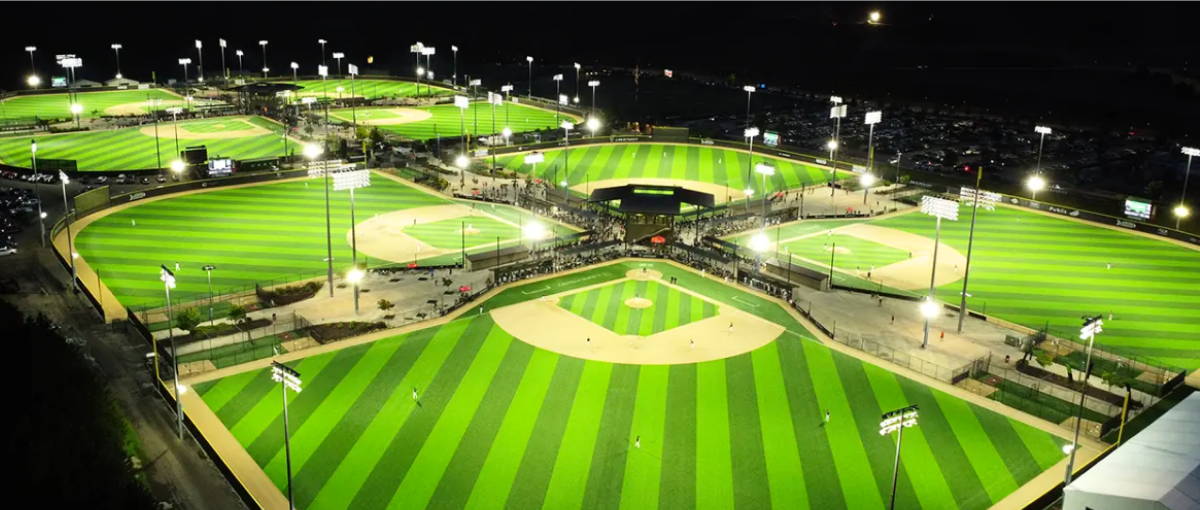
Closer to home, LakePoint Sports in Emerson, Georgia has become one of the nation’s premier youth sports destinations. The 1,300-acre campus attracts more than one million visitor days annually and has helped fuel hotel, restaurant, retail and mixed-use development along the Interstate 75 corridor north of Atlanta.
LakePoint demonstrates that a well-designed sports complex can become the anchor for an entire commercial district rather than simply serving as a recreational facility.
The Ripken Experience – Pigeon Forge, Tennessee & Myrtle Beach, South Carolina
The Ripken Experience has successfully integrated youth baseball into two of the Southeast’s strongest tourism markets. By combining tournament facilities with established destinations already known for family vacations, both Pigeon Forge and Myrtle Beach have extended visitor stays and increased demand for hotels, restaurants, attractions, and retail. Rather than replacing traditional tourism, youth sports has become another reason for families to visit throughout the year.
Coming soon! Crossroads of the Tennessee Valley – Huntsville/Decatur, Alabama
One of the newest examples is The Crossroads of the Tennessee Valley, a recently approved mixed-use sports tourism development planned near the Interstate 65 and Highway 20 interchange between Huntsville and Decatur, Alabama. The project is expected to include baseball and softball fields, multi-purpose athletic facilities, a future indoor sports complex, hotels, restaurants, retail, residential development and family entertainment. From a commercial real estate perspective, the project reflects a growing trend: sports complexes are increasingly being designed as mixed-use destinations that generate recurring economic activity while creating opportunities for surrounding commercial development.
The Ripple Effect on Commercial Real Estate
While hotels are often the first beneficiaries of sports tourism, the economic impact extends much further.
Retail centers experience increased weekend traffic from visiting families, while restaurants often see some of their busiest days during tournament weekends. Medical office users—including sports medicine providers, orthopedic practices and physical therapy clinics—frequently locate near large athletic complexes to serve both residents and visiting athletes. As these destinations mature, additional employment creates demand for multifamily housing, while industrial and flex properties support vendors, equipment suppliers, maintenance operations, and other businesses serving the tourism economy. Perhaps the biggest winner is commercial land. Once a major sports complex is announced, surrounding parcels often become attractive locations for hotels, restaurants, convenience stores, entertainment venues, and mixed-use developments.
What Investors Should Watch
When evaluating commercial real estate opportunities, sports tourism deserves consideration alongside population growth, transportation infrastructure, and employment trends.
Questions worth asking include:
- Is there an existing or planned destination sports complex nearby?
- How many tournaments are hosted each year?
- Is hotel inventory expanding?
- Are retailers and restaurants investing in the area?
- Is nearby commercial land beginning to appreciate?
Communities capable of attracting thousands of visitors every weekend often create resilient, diversified demand across multiple commercial property types.
Looking Ahead
The Southeast continues to experience some of the nation’s fastest population growth while simultaneously investing heavily in sports tourism infrastructure. As more communities recognize the economic impact of destination athletic facilities, demand for hotels, retail centers, restaurants, mixed-use developments, and commercial land is likely to continue growing. For commercial real estate investors, developers, and property owners, the next major opportunity may not begin with a new manufacturing plant or corporate headquarters. It may begin with a championship baseball tournament, a regional soccer showcase or a national volleyball event.
Understanding where sports tourism is heading—and how it influences surrounding commercial development—can provide investors with a valuable competitive advantage.
At Atlas Real Estate Advisors, we continually monitor the economic drivers shaping commercial real estate throughout Georgia and the Southeast. Whether you’re evaluating investment property, developing commercial land, or looking for your next acquisition opportunity, understanding trends like sports tourism can help identify markets poised for long-term growth.
« Previous Next »
Experience the Atlas Real Estate Advisors difference.
Contact us today for personalized, expert advice in commercial real estate.
Let us help you navigate your real estate journey with confidence and success