
Highway 316 Construction: Why Today’s Frustration Could Become Tomorrow’s Opportunity
Atlas Real Estate Advisors / August 18, 2026
Between lane shifts, temporary traffic patterns, and ongoing construction, Highway 316 has become a daily topic of conversation throughout Northeast Georgia. For commuters, business owners, and commercial property owners, the delays can certainly be frustrating. The good news is that there is a long-term vision behind the inconvenience—and it has the potential to transform one of Georgia’s most important economic corridors for decades to come.
At Atlas Real Estate Advisors, our brokers drive Highway 316 nearly every day. Like many of our clients, we experience the same construction delays firsthand. But we also recognize something important: major transportation investments often create major commercial real estate opportunities.
What Is Happening on Highway 316?
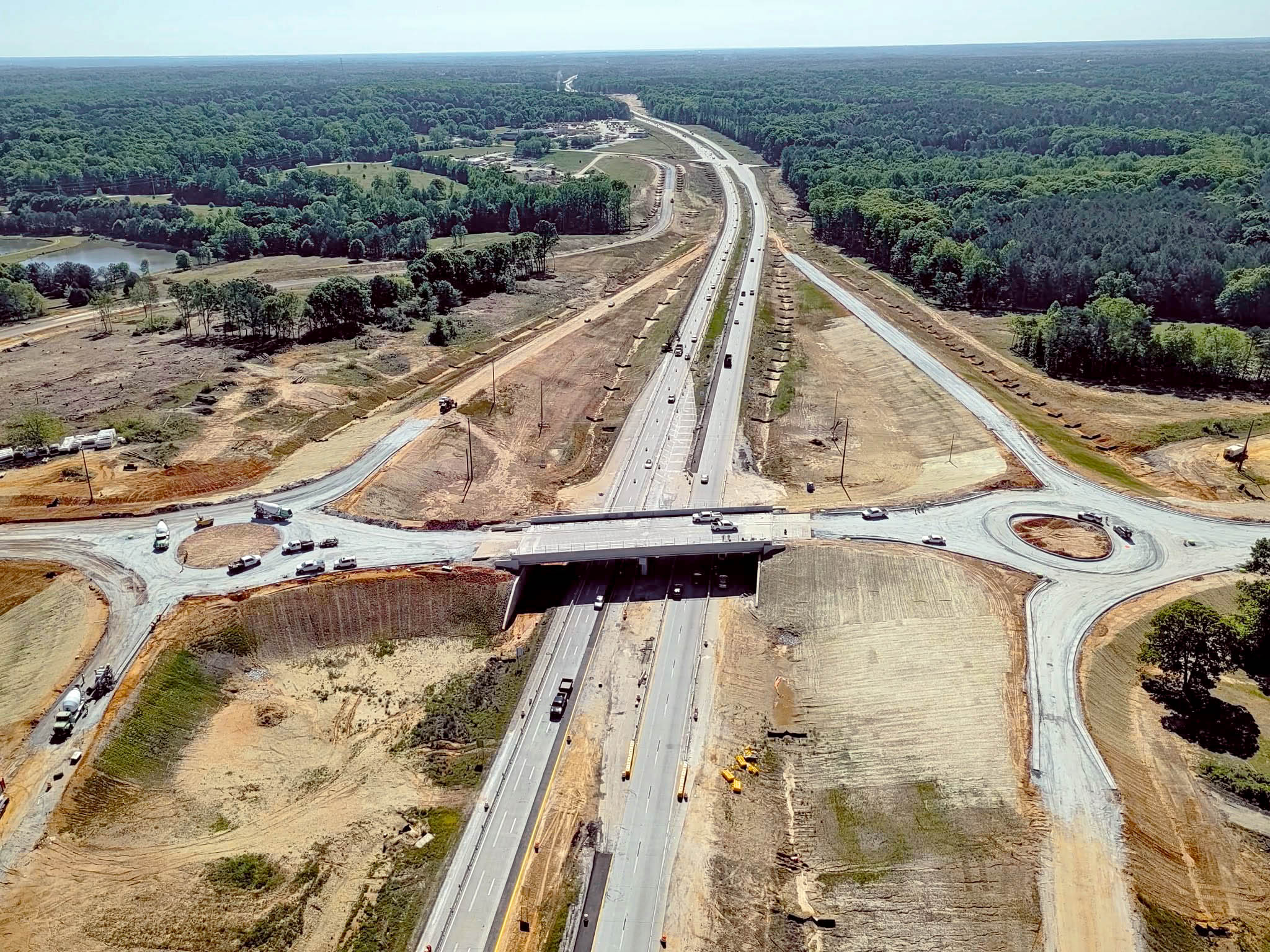
The Georgia Department of Transportation (GDOT) is investing approximately $1 billion to transform the 40-mile Highway 316 corridor between Interstate 85 in Gwinnett County and Epps Bridge Parkway in Oconee County. The goal is simple:
Turn Highway 316 from a signalized highway into a true limited-access expressway by replacing traffic lights with modern interchanges, bridges, and on/off ramps.
When complete, drivers can expect:
- Improved traffic flow
- Fewer stop-and-go intersections
- Shorter travel times
- Safer intersections
- Better freight movement
- Increased capacity for future growth
Governor Brian Kemp has described the vision as creating a “workforce expressway” connecting Metro Atlanta, the University of Georgia, major employers, and rapidly growing communities throughout Northeast Georgia.
Why Is Construction Taking So Long?
It’s a fair question.
Unlike building a brand-new highway through undeveloped land, Highway 316 must remain open while dozens of individual projects are constructed simultaneously. Each interchange involves years of planning, environmental review, utility relocation, right-of-way acquisition, bridge construction, and traffic management. That means much of the work happens in stages to minimize disruptions—even though, admittedly, the current disruptions can still feel significant.
Growth Is Already Following the Corridor
Transportation improvements have historically been one of the strongest catalysts for commercial real estate development. Highway 316 is no exception.
Rowen
Perhaps the most exciting development is Rowen, a planned 2,000-acre research and innovation community in eastern Gwinnett County. Focused on agriculture, medicine, environmental sciences, and technology, Rowen was intentionally located between Georgia Tech and the University of Georgia to create collaboration between academia and private industry. New Highway 316 interchanges are being constructed specifically to improve access to the development, making transportation infrastructure a key part of the project’s long-term success.
Barrow County
Barrow County continues to be one of Georgia’s fastest-growing counties, attracting new industrial facilities, distribution centers, residential communities and commercial development. As Highway 316 becomes more efficient, communities such as Winder and Bethlehem become increasingly attractive to employers seeking convenient access to both Metro Atlanta and Athens.
Oconee County
Closer to Athens, the western end of Highway 316 has already become one of Northeast Georgia’s premier commercial corridors. The Oconee Connector and Epps Bridge Parkway continue to attract healthcare providers, medical office developments, restaurants, retail centers, and professional services. Future interchange improvements are expected to improve accessibility while enhancing the long-term value and marketability of surrounding commercial properties.
What Does This Mean for Commercial Real Estate?
Transportation infrastructure has always influenced real estate values. When accessibility improves, businesses gain access to larger labor pools, customers enjoy easier travel and freight movement becomes more efficient.
Historically, these types of improvements have encouraged:
- Industrial and logistics facilities
- Medical office developments
- Retail centers
- Hotels
- Mixed-use developments
- Residential communities
- Corporate campuses
For commercial real estate investors, transportation improvements often create opportunities long before construction is complete. Sometimes the best investment opportunities are created long before the construction cones disappear.
Why the Athens-Area Is Uniquely Positioned
Athens has always benefited from the presence of the University of Georgia, an exceptional quality of life, and a diverse economy. The Highway 316 improvements strengthen another major advantage—connectivity. As travel between Athens and Metro Atlanta becomes faster and more reliable, Athens becomes increasingly attractive to businesses that want access to both markets while maintaining lower operating costs than many metro Atlanta locations.
That improved connectivity could continue supporting demand for:
- Industrial warehouses
- Medical office buildings
- Commercial land
- Retail development
- Multifamily housing
- Research and technology companies
Combined with projects like Rowen and continued investment throughout Oconee County and Gwinnett County, the Highway 316 corridor is emerging as one of Georgia’s most important economic development corridors.
When Will It Be Finished?
Probably the most common question we hear is, “When will all of this construction finally end?”
The reality is that Highway 316 is being improved through dozens of individual projects, each with its own construction schedule. Several interchanges are already complete, many are under construction today, and additional projects are expected to continue into the early 2030s before the corridor fully functions as the limited-access expressway envisioned by GDOT.
That may seem like a long time, but transportation infrastructure is measured in decades—not months. These improvements are being built to serve Northeast Georgia for generations.
Stay Updated on Highway 316 Construction
If you regularly travel Highway 316, we encourage you to follow the official project resources provided by the Georgia Department of Transportation.
Transforming SR 316 Project Portal:
https://transformingsr316-gdot.hub.arcgis.com/
Georgia DOT Project Dashboard:
https://www.dot.ga.gov/applications/geopi/Pages/Dashboard.aspx
These resources provide excellent insight into the long-term vision for Highway 316 and allow commuters to follow construction progress as individual projects are completed.
The Atlas Perspective
At Atlas Real Estate Advisors, we understand both sides of the Highway 316 conversation. Like everyone else, we look forward to the day when the orange barrels disappear. At the same time, we recognize that transformational infrastructure projects often create transformational commercial real estate opportunities. Highway 316 is becoming much more than a road connecting Athens and Atlanta. It is evolving into one of Georgia’s most important economic development corridors—linking the University of Georgia, Rowen, growing healthcare campuses, expanding industrial markets, and some of the fastest-growing communities in the state.
We closely monitor development trends, transportation investments, and economic growth throughout Athens, Oconee County, and Northeast Georgia. If you’re looking to buy, sell, lease, or develop commercial real estate along the Highway 316 corridor, we’d be happy to share our market insight and help you identify opportunities positioned to benefit from the region’s continued growth.
« Previous Next »
Experience the Atlas Real Estate Advisors difference.
Contact us today for personalized, expert advice in commercial real estate.
Let us help you navigate your real estate journey with confidence and success